
Secluded gem in Sweden's north
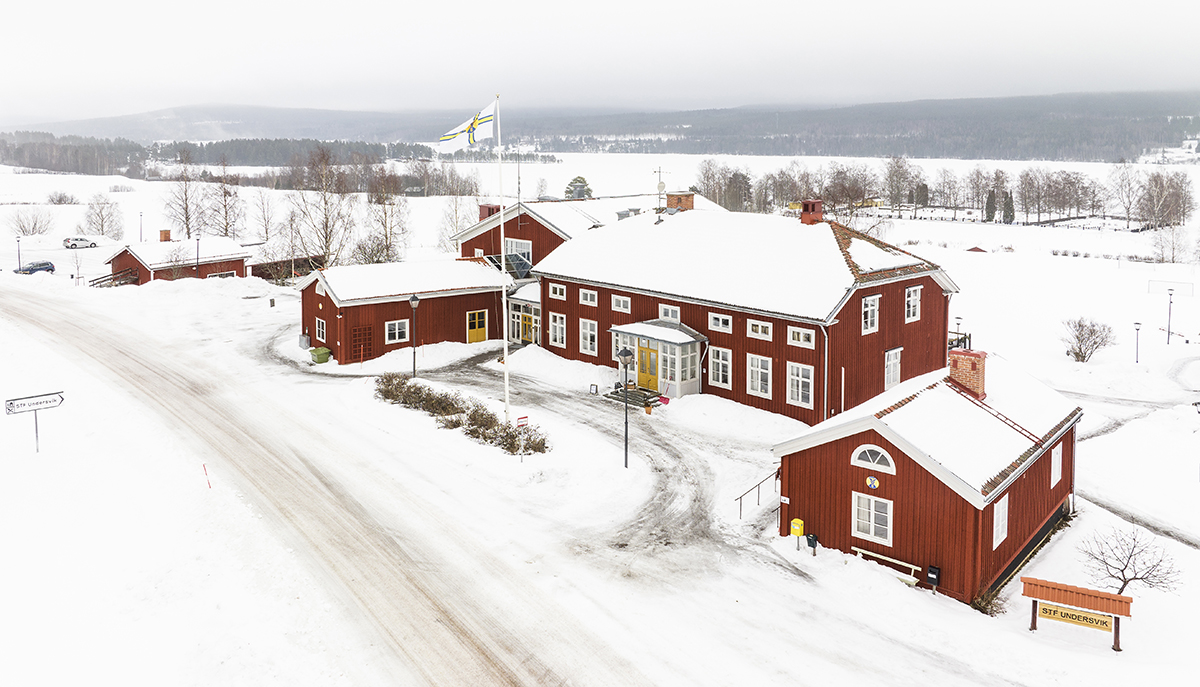
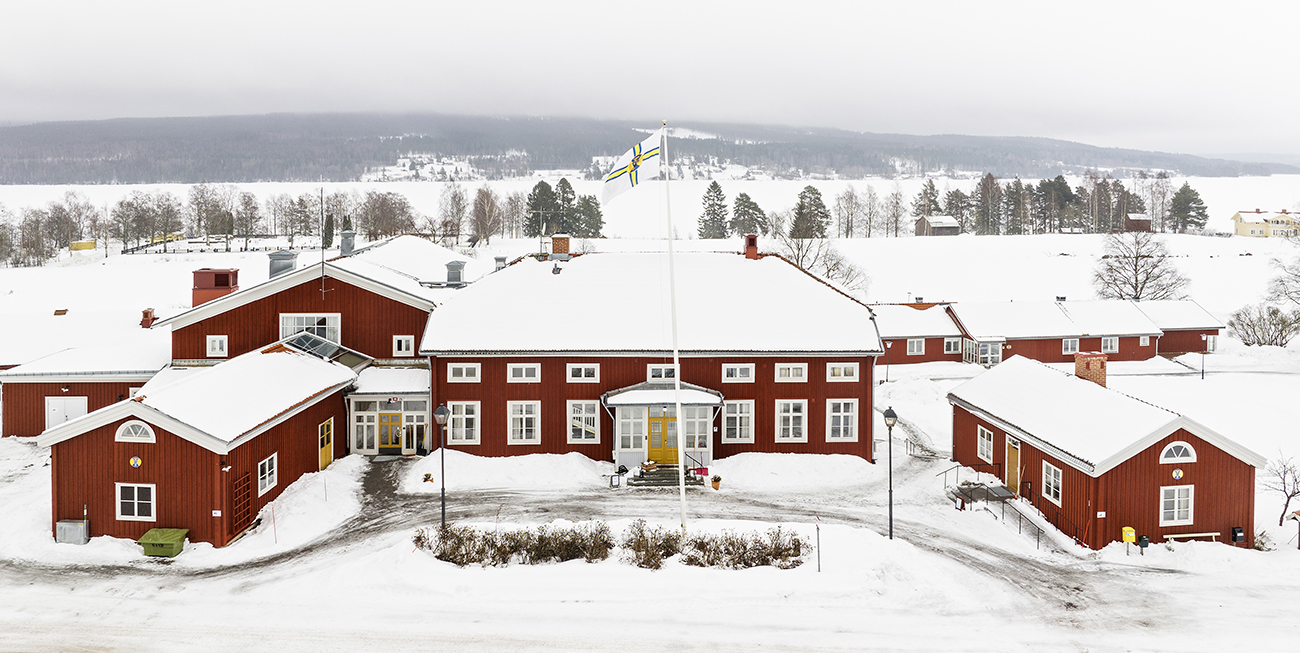
Painted red, with a hipped roof and generous spaces, “Stiftsgården,” the former diocesan estate in Undersvik, Sweden is very manor-like. It is now a hotel run by the Swedish Tourist Association (STF), carefully and thoughtfully renovated with a focus on small-scale tourism and sustainable outdoor living.
-
-
-
Renovated gem in the Ljusnan River Valley—The old national highway winds along the banks of the Ljusnan river*, past spacious farms and beautiful meadows of flowers hidden under a thick blanket of snow. It is easy to imagine the veils of mist dancing up from the river on a warm midsummer night.
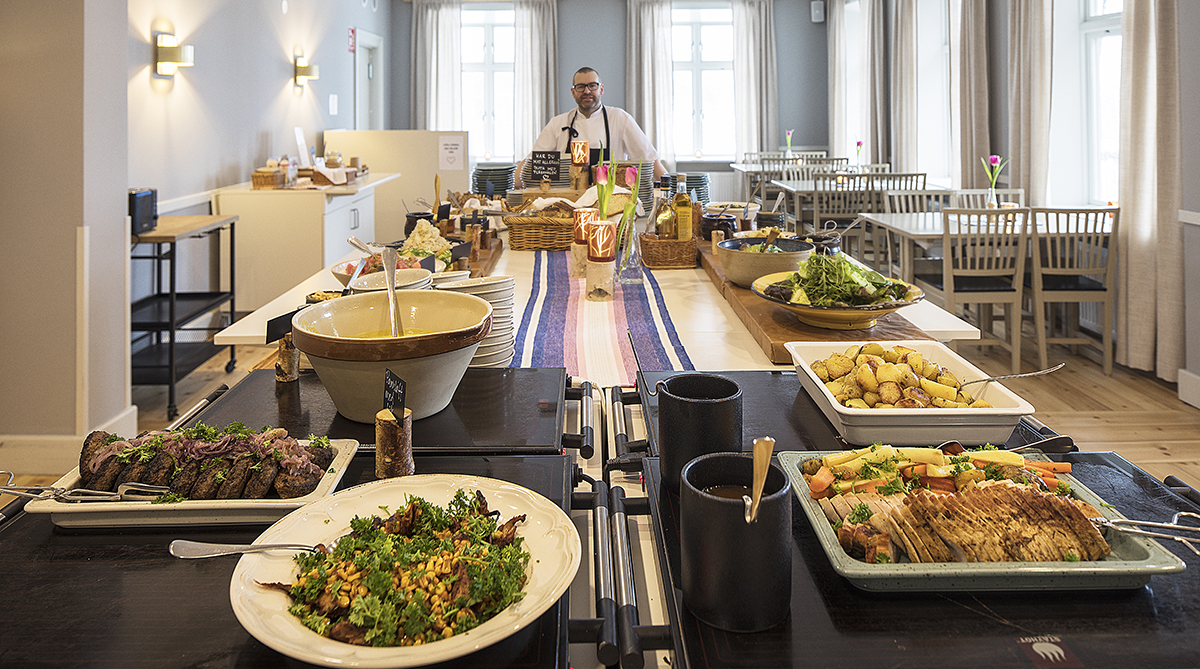
Today it is cold and rainy, with ice on the road and crust on the snow. It is nice to head indoors on a day like this. We step inside through yellow double doors and are welcomed by tempting smells from the lunch buffet where conference participants are crowding with a group of confirmands.
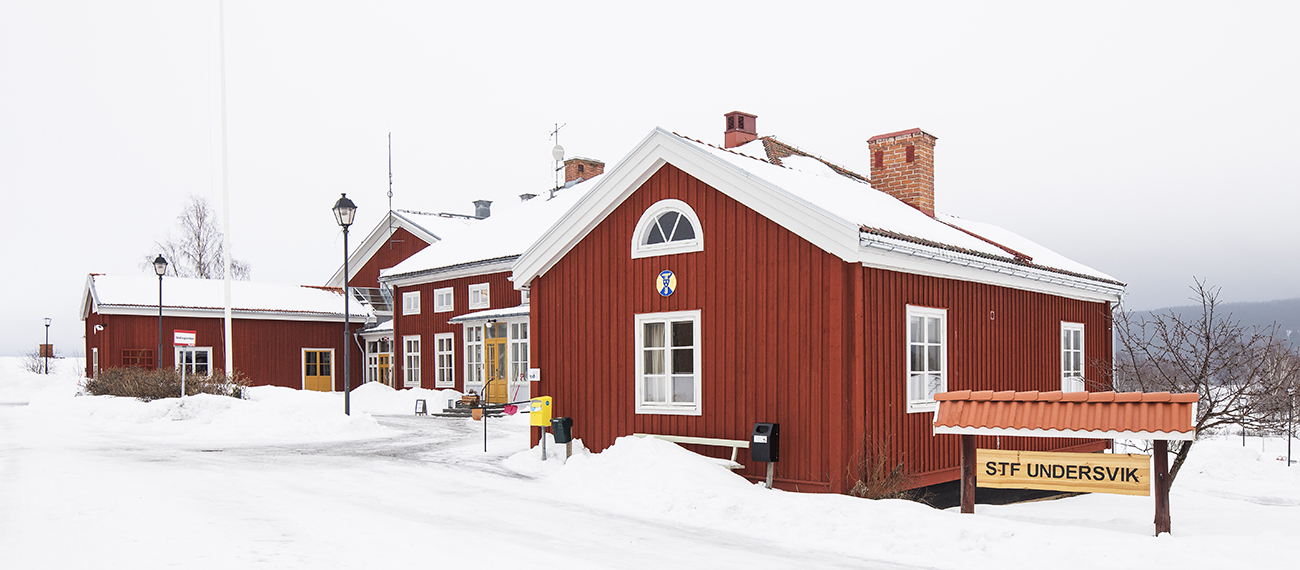
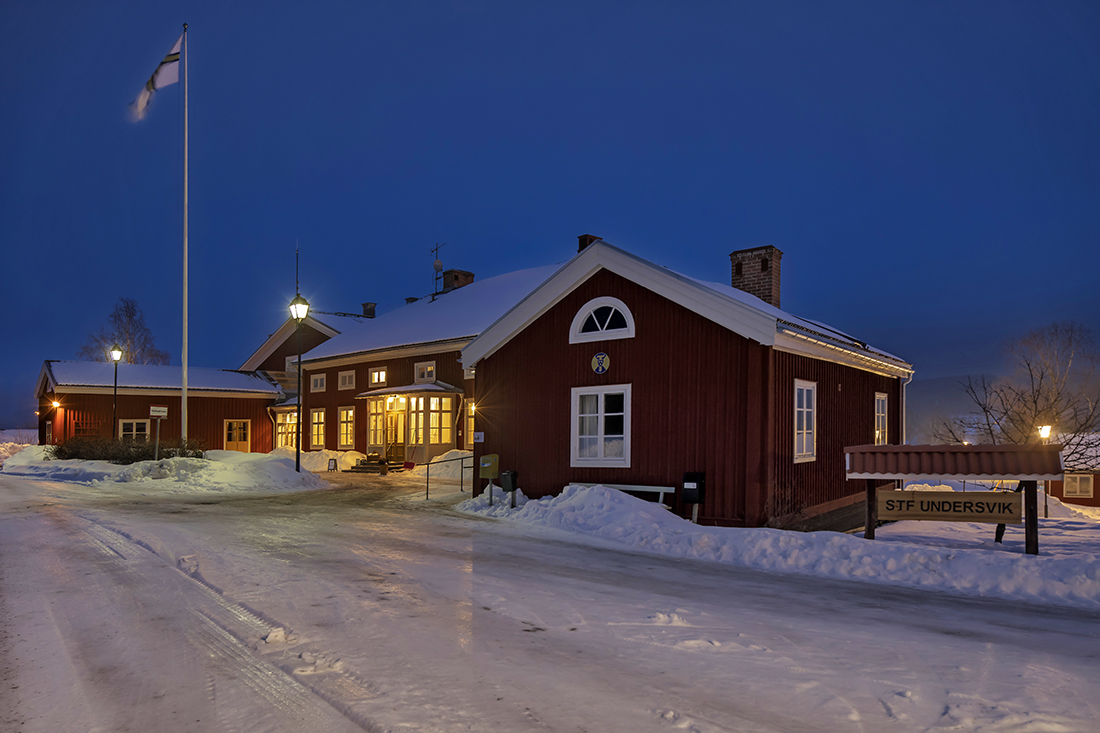
The building we are in was completed in the mid-19th century. During its first hundred years it was an inn and a lively trading post with visitors from near and far. After the last private owner, Erik Jonsson, died in 1943, three cycling enthusiasts happened to be riding by. The three were led by Uppsala's diocesan adjunct Carl Adolf Murray with the task of looking for a permanent place for church youth activities.
A fondness for the property in Undersvik developed, and a deal was made. By 1944 the young people of the Uppsala diocese were able to exchange their tents and camping life for comfortable beds. Other visitors were also welcomed to the new diocesan center. In the first year, 600 people came to visit. And in 1953, a record 8,000 visitors stepped through the double doors. Two years later, Gustav VI Adolf stopped by during his Eriksgata. And for a period, Stiftsgården was used as a holiday home for tired housewives. -
-
-
Appealing local traditions
Many visitors also meant large expenses to keep up with the wear and tear. Over the years, there was constant maintenance work interspersed with major efforts such as renovation and expansion. Closing the inn to guests was always on the table. But, since 2023, after a careful and extensive renovation, STF - in collaboration with the church diocese - ensures the 133 beds are kept warm.
“It is quiet and secluded here, while being close to the activities in Järvsö, Orbaden and Harsa,” sums up Charlotta Netsman, site manager since March 2023 when STF Undersvik Gardshotell & Vandrarhem was still a construction site.
She also likes to highlight the food as a reason for a visit. “We are proud of our cuisine," she says. "We follow the seasons, look to local traditions and do not hesitate to buy a whole cow locally.”
For chef Magnus Wallin, local growers and natural raw materials form the basis of the table. Preferably fermented and pickled. In addition to game meat and vegetarian options, the lunch buffet includes pickled turnips, baked beets and fermented carrots, as well as roasted cauliflower and fermented white cabbage ... “With a little less but a little better meat on the plate,” he says. “Then I usually also make a fermented crispbread from old bread that is left over.”
Magnus also says he has recently advanced to the Smakkampen cooking competition, where chefs working in Gävleborg are invited to present a three-course dinner based on local ingredients. “It's great fun,” he says delightedly. -
-
Historic preservation with natural materials
As we wander among the houses that now constitute a hotel and hostel, we carry with us a little nostalgia, the memory of childhood school graduations. We ask Charlotta for a tour of the former diocesan mansion, which is fully equipped for conferences. It is wallpapered and freshly painted everywhere, with great care taken in the small details. Tiles, appliances, walls, floors – all surfaces feel new or renovated.
The renovation took two and a half years. Interior designer and designer Madelene Lodin has been involved from the beginning.
“Natural materials, refinement and recycling have been a consistent guideline,” she says. “Period-typical materials have been used, old furniture of good quality has been renovated and given a new look, local cabinetmakers, painters and upholsterers have contributed knowledge and experience.”
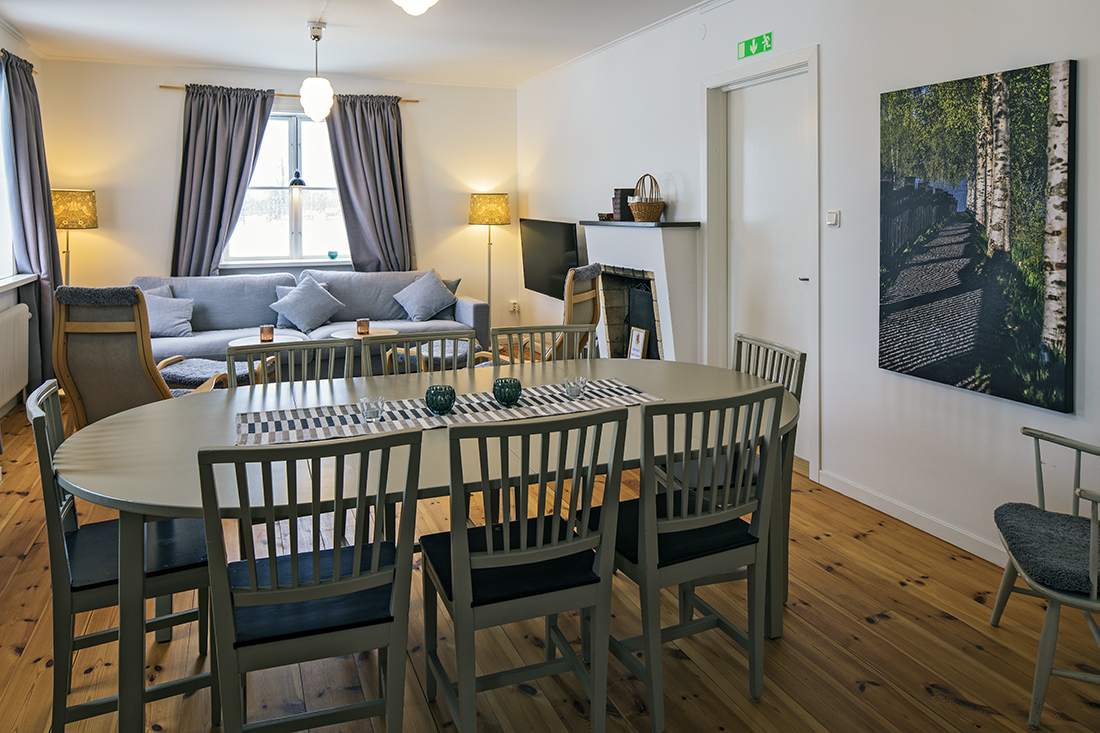
No plastic flowers, no shortcuts. The handmade and newly painted Åsberg chairs** from Bjuråker in the dining room are joined with dowels. The little chapel with beautiful windows and space for devotion and reflection is sparsely decorated. The mirror doors have been refreshed and are in like-new condition.
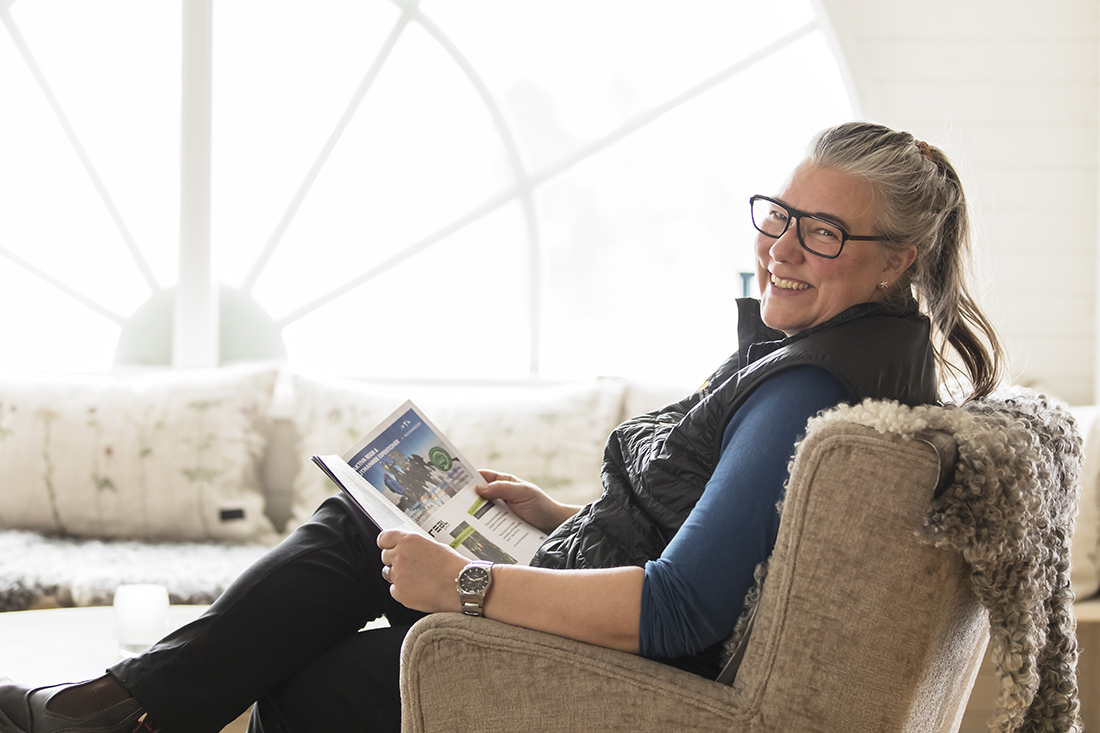
Much of the ceiling lighting is brass and of Italian origin. The colors are mostly gray and white, and the dining room's large tiled stove is impressive. Upstairs there is a generous gathering room with high ceilings, pastel wood panels, freshly sanded wood floors, armchairs with soft sheepskin, and a large fireplace where a fire burns. A large crescent window decorates the room with a view of Ljusnan. -
-
The ceiling painting is surrounded by the text of hymn 474 in the 1937 hymnal:
"De fagra blomsterängar och åkerns ädla säd,
De rika örtesängar och lindens gröna träd.
De skola oss påminna om Guds godhets rikedom,
att vi den nåd besinna som räcker året om." -
-
The fair flower meadows and the noble grain of the field,
The rich herb beds and the green trees of the linden tree.
They will remind us of the richness of God's goodness,
that we contemplate the grace that is sufficient all year round. -
-
Experience, rest and reflection
In the Murraygården, named after the cyclist from the Uppsala diocese, there are 23 beds in seven rooms with a living room and kitchen. The whole house or individual beds are offered for rent.
The Hälsingegården has 29 beds across three dormitories. The Upplandsgården offers 14 rooms with 34 beds, self-catering and a sauna. Finally, the completely renovated Gästrikegården is very welcoming with cozy beds and linens, and where some rooms have access to a balcony with a view of the sunrise over Ljusnan river.
“The church continues to hold courses and camps here, and municipalities and companies have also found their way here,” says Charlotta. "So far the focus has been on groups, but we are also starting to target private guests. We want to create a meeting place that inspires experiences, rest and reflection."
While waiting for what tonight's dinner will offer, we reluctantly leave a hot cup of tea and a biscuit with marmalade. It is wet and grey outside and a walk may contain the risk of sprains in both arms and legs, but we follow the old national road a hundred meters to the white stone church that was built in 1788 to replace an older medieval church. A mighty belfry dated 1759 and moved from the old church site dominates the place.
There is not much else to see in Undersvik on a cold and inhospitable February afternoon when an icy rain does everything to dampen the mood. Even the local history museum across from the hotel is closed.
We are assured it is different in the summer, however. Summers offer concerts in the church, quiet evening walks along the river and art exhibitions in the village.
For now we quickly return to our cup of tea in front of the fire. We would rather just sit there and enjoy the scent of burning birch wood and the approaching dinner. It is good enough in every way. -
-
Mats WigardtPhoto: Bosse Lind
-
*Ljusnan is a 270-mile-long river in Sweden. It starts in northwestern Härjedalen then continues through the province into Hälsingland all the way to the Bothnian Sea. The biggest tributary is Voxnan. Ljusnan river is heavily used for hydropower with 18 hydro power plants.
-
**The Åsberg chair, “Åsbergsstolen” was created by Anders Åsberg (1849-1920), Swedish fiddler and chair maker. The characteristic feature is its gently sloping back with seven slats. Now manufactured by Åsbergsstolen snikeri in Bjuråker, each chair is still made by hand and doweled together instead of nailed or screwed.
-
-